
Our Research Programs
Prosthetic Joint Infections

What is a prosthetic joint infections?
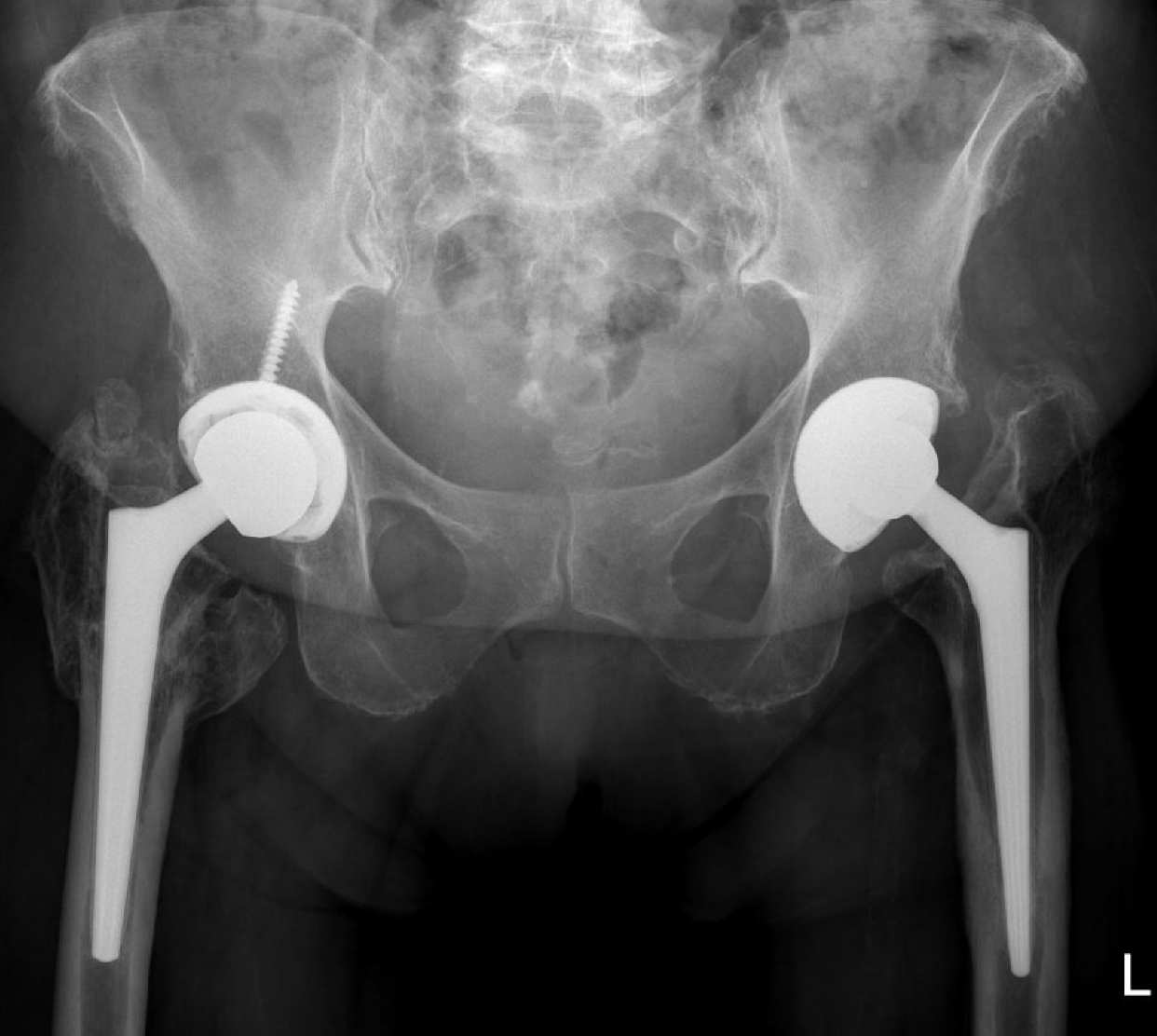
A prosthetic joint infections (PJI) occurs when bacteria or other microorganisms infect the tissue around an artificial joint implant, such as a hip or knee replacement. These infections can develop during surgery, shortly after surgery or years later if bacteria travel through the bloodstream from another part of the body.
Total joint replacement, also known as TJR, has transformed care for patients living with disabling joint pain. However, prosthetic joint infection, also called periprosthetic joint infection, remains one of the most serious complications following hip and knee replacement surgery. It is also a leading cause of total joint replacement failure.
In Canada, the average cost of a hip or knee replacement is approximately $7,000 CAD. Treating a prosthetic joint infection can cost up to five times more. As demand for total joint replacement continues to rise in Canada and around the world, the health and economic burden of prosthetic joint infection is becoming an increasingly urgent challenge.
The clinical management of prosthetic joint infection is complex. Common surgical treatment options include debridement, antibiotics and implant retention, known as DAIR, as well as single-stage and two-stage revision surgery. While these approaches are widely used, cure rates remain imperfect. Two-stage revision is often considered the gold standard, yet reported reinfection rates still range from 10 to 30 per cent.
For patients, the impact of prosthetic joint infection extends far beyond the infection itself. PJI can lead to repeated hospital admissions, long-term disability, psychological stress and, in severe cases, amputation or death. With reported mortality rates as high as 20 per cent, outcomes associated with prosthetic joint infection can be comparable to those seen in some cancers.
Treatment failure is often linked to multidrug-resistant organisms and bacterial biofilms that remain on the surface of the implant. These challenges are difficult to address with systemic antibiotics alone.
Dr. Hesham Abdelbary’s research lab is focused on improving the treatment of prosthetic joint infection by identifying novel therapeutic platforms that can work alongside current standards of care. The goal of this research program is to develop treatment adjuncts that target infection more effectively, improve patient outcomes and advance care for individuals affected by prosthetic joint infection.
Fracture-Related Infections


What is a fracture-related infection?
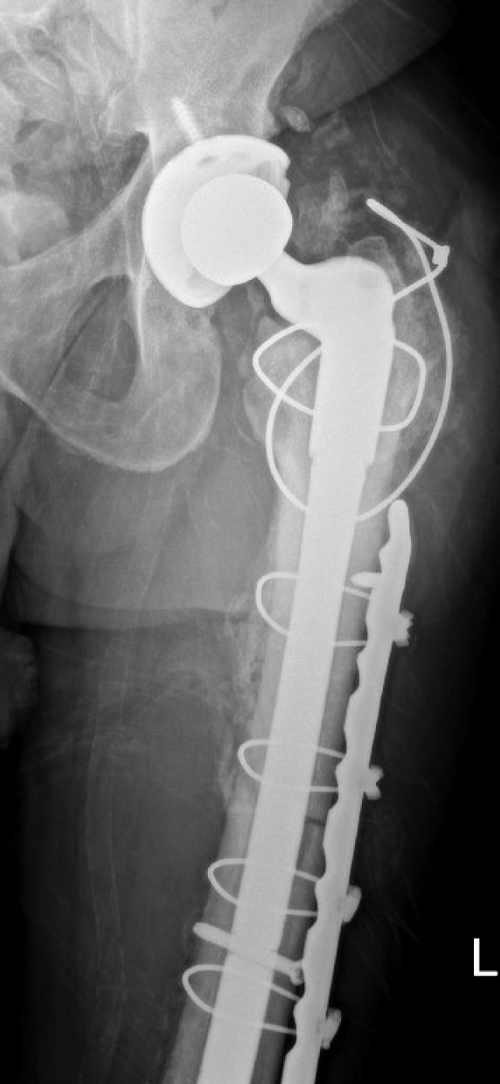
A fracture-related infection, or FRI, occurs when bacteria infect the bone, soft tissue or implanted hardware at or near the site of a broken bone. These infections can interfere with the body’s ability to heal the fracture and may lead to non-union, a condition where the bone does not heal properly.
Research has shown that bacteria can alter the inflammatory environment, disrupt blood vessel formation, impair callus maturation and contribute to abnormal bone remodelling. As a result, infection can significantly delay or prevent normal fracture healing.
The incidence of FRI is estimated at approximately one to two per cent following surgery for closed fractures. However, in open or high-energy fractures, infection rates can reach up to 30 per cent. Patients affected by FRI may require multiple surgeries, prolonged antibiotic therapy, soft-tissue reconstruction and, in severe cases, amputation.
Standard treatment typically includes surgical debridement, fracture stabilization, soft-tissue management and long-term systemic antibiotics, often supported by local antimicrobial carriers. Despite multidisciplinary care, treatment failure and recurrence remain common.
The IMPACT Program is studying how infection disrupts the normal fracture-healing process, with a focus on the bacterial factors that contribute to non-union and recurrent infection. This research program explores new ways to target biofilm-associated and intracellular bacteria, support bone repair and improve recovery for patients with complex fracture-related infections.
Phage Therapy


What is Phage Therapy?
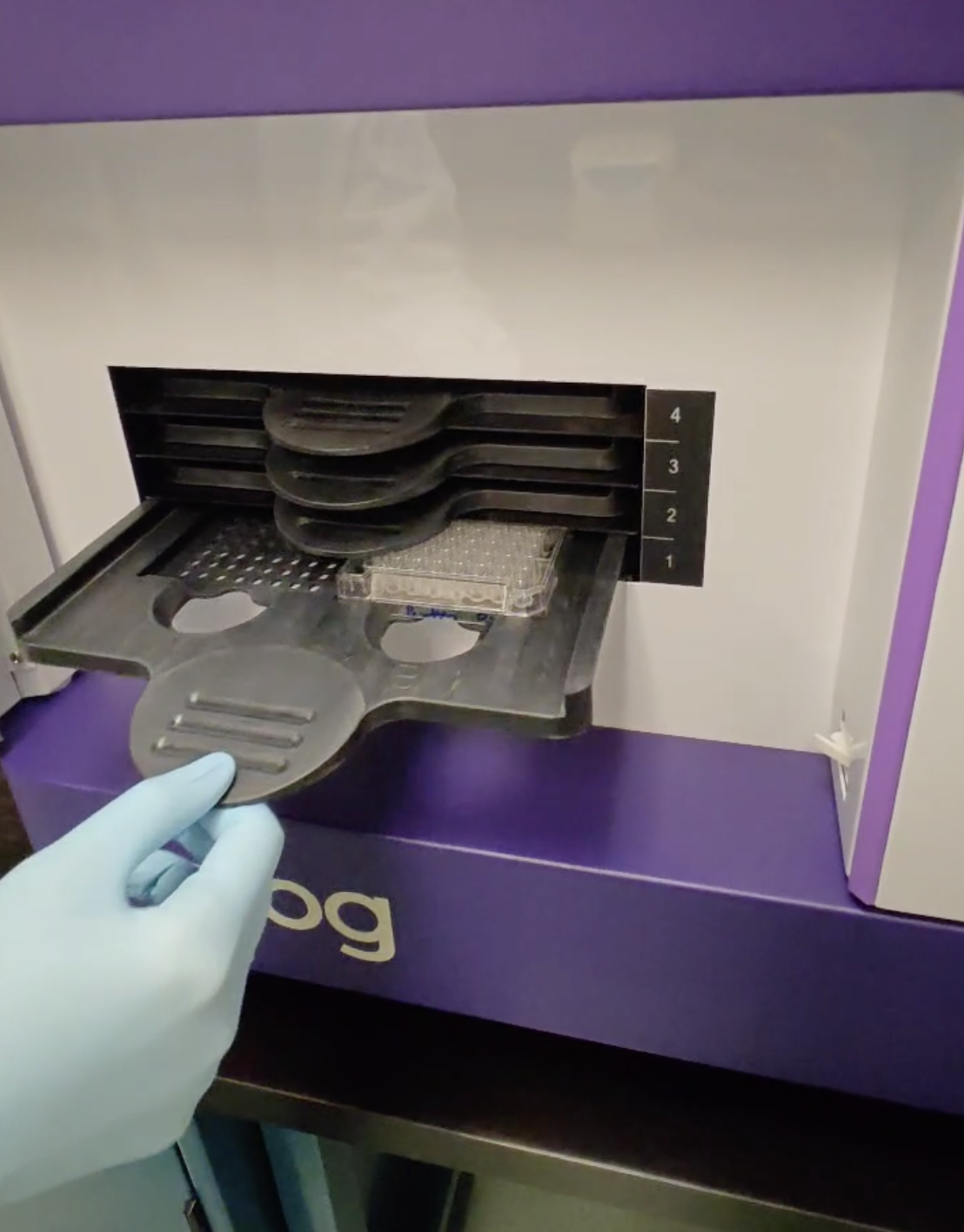
Phage therapy is the use of bacteriophages, or phages, to treat bacterial infections. Phages are viruses that infect and kill specific bacteria, which makes them a promising tool for difficult-to-treat infections, including implant-associated infections that may not respond well to standard antibiotics.
For patients with prosthetic joint infections and other implant-associated infections, phage therapy may offer a more targeted approach. Unlike broad-spectrum antibiotics, phages can be selected to attack specific bacterial strains, including bacteria that are resistant to conventional treatment or protected within biofilms.
While phage therapy has shown encouraging results in preclinical models of prosthetic joint infection, its use in clinical care is still evolving. One of the key challenges is closing the gap between laboratory research and clinical practice, including a better understanding of disease pathogenesis, bacterial behaviour and how phages can be safely integrated with existing standards of care.
The 2025 International Consensus Meeting, or ICM, in Istanbul highlighted the potential role of phage therapy in managing prosthetic joint infection, while also emphasizing the need for stronger clinical research before it can be widely adopted as a treatment adjunct.
Dr. Hesham Abdelbary’s research lab is focused on helping advance this translation from bench to bedside by studying how phage therapy can be used alongside current treatments to target complex implant-associated infections more effectively.
Antimicrobial Peptides


What are antimicrobial peptides?
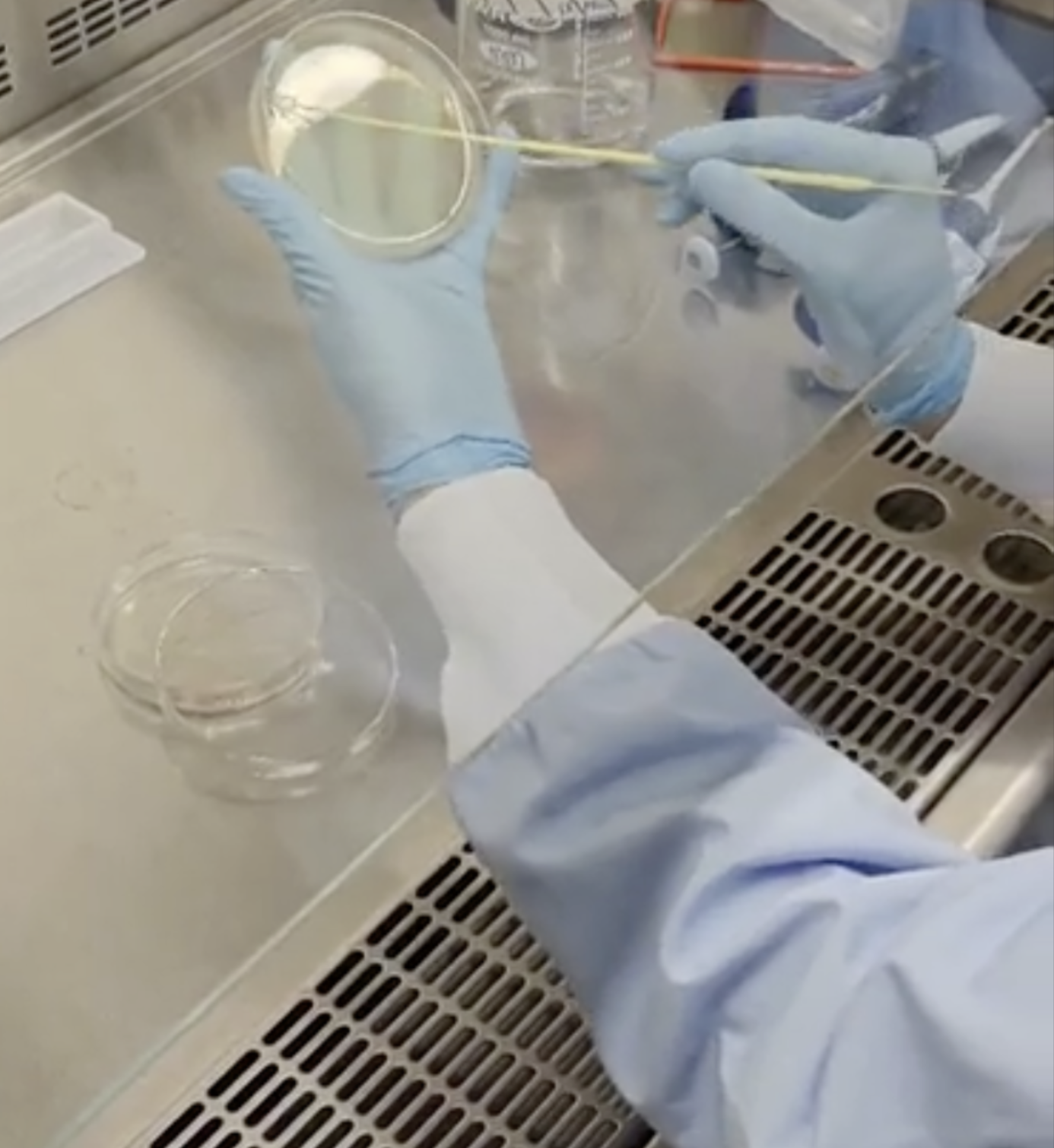
Antimicrobial peptides, or AMPs, are naturally occurring defence molecules that form part of the body’s innate immune system. They act quickly against bacteria, often by targeting and disrupting bacterial membranes.
Because of their broad-spectrum antimicrobial activity, AMPs are being studied as a potential alternative or adjunct to conventional antibiotics, particularly for complex implant-associated infections where bacteria may be resistant to treatment or protected within biofilms.
The IMPACT Program explores how antimicrobial peptides could be harnessed for clinical use, with the goal of developing new therapeutic strategies for patients affected by implant-associated infections.
Clinical Trials


Despite Canada’s recognized expertise in phage biology, the country continues to lag behind other jurisdictions in phage therapy clinical trials. To date, only a small number of phage therapy cases have been reported in Canada, highlighting the need for stronger clinical research pathways and expanded access to novel treatments for complex bacterial infections.
Individual Patient experience
In February 2026, Dr. Hesham Abdelbary’s clinical research team successfully treated a Canadian patient with a prosthetic joint infection caused by multidrug-resistant Pseudomonas aeruginosa using bacteriophage cocktail therapy.
This open-label individual patient trial, or OLIP trial, marked an important step forward in exploring phage therapy as a treatment option for prosthetic joint infections. The trial was supported by Qeen Biotechnologies, which provided the phage product and in-kind support for data analysis. In collaboration with the Virtual Recovery After Surgery, or VRAS, anesthesia program, part of the phage therapy was safely administered in an outpatient setting.
Early results showed promising clinical improvement with no identified safety concerns. While phage therapy remains an emerging treatment area in Canada, this case adds to a growing international body of experience. More than 20 patients with prosthetic joint infections have been treated with phage therapy in countries such as France, Belgium and Australia, with encouraging outcomes reported to date.
Diagnostics


Implanted medical devices, such as joint replacements and breast implants, play an important role in reconstructive surgery. However, one serious complication is implant-associated infection, or IAI, which can occur when bacteria infect the tissue around an implant.
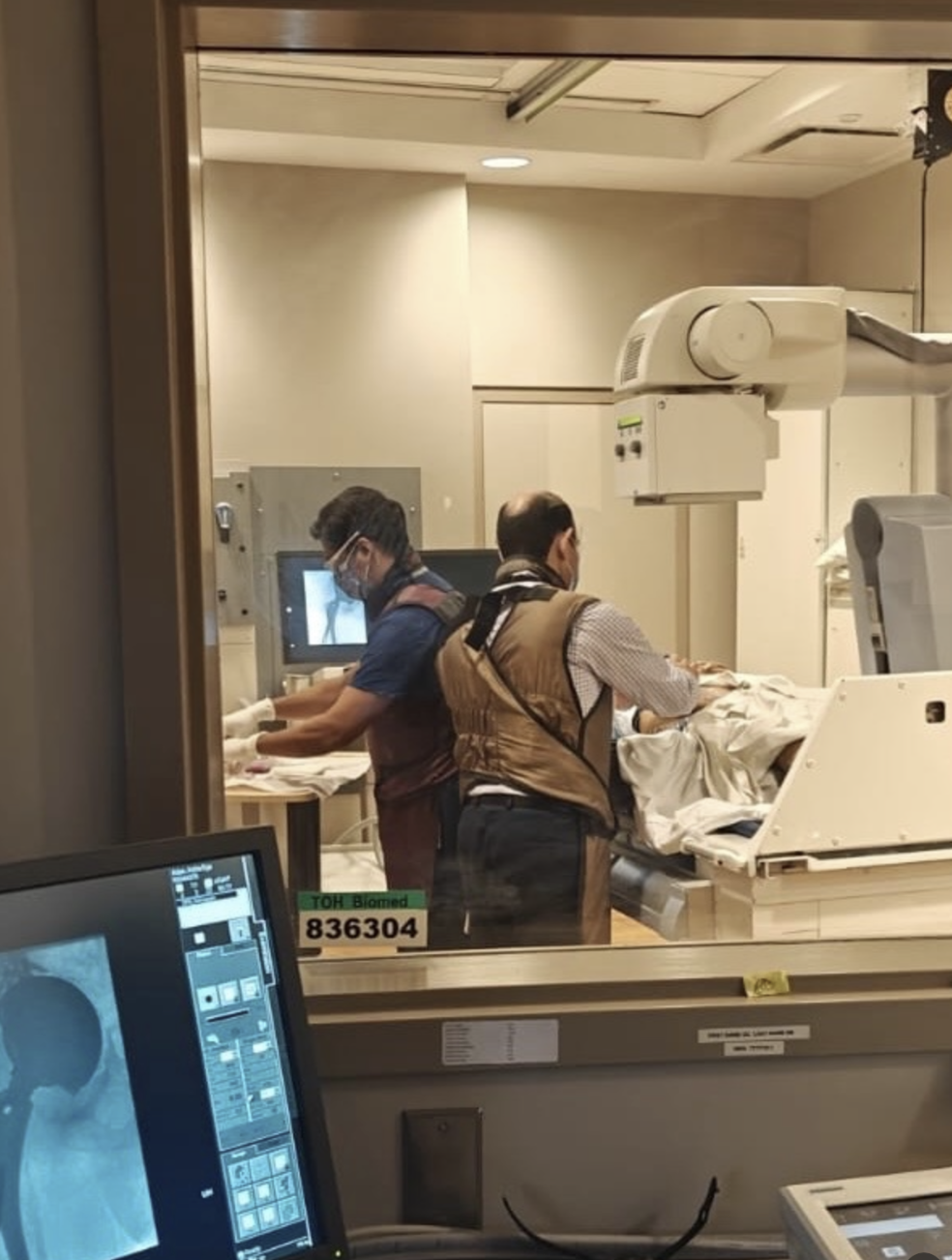
Rapid and accurate diagnosis of implant-associated infection is critical to successful treatment. The current gold standard involves sampling tissue around the infected implant and culturing it to detect bacterial growth. However, this method can have limited sensitivity, particularly when the infection is caused by slow-growing bacteria.
Dr. Abdelbary and his team are exploring how bacteriophage-based diagnostics could be translated for clinical use to improve the speed and accuracy of implant-associated infection diagnosis. By advancing phage-based diagnostic technology, the lab aims to support earlier detection, more targeted treatment and better outcomes for patients with implant-associated infections.